
Blockchain Transactions Explained: From Wallet to Confirmation

Demystify the journey of a blockchain transaction—from the moment you hit send in your wallet to the final confirmation on-chain. This practical course breaks down each step with clear explanations and real-world context.
Foundations: Wallets, Keys, and Addresses
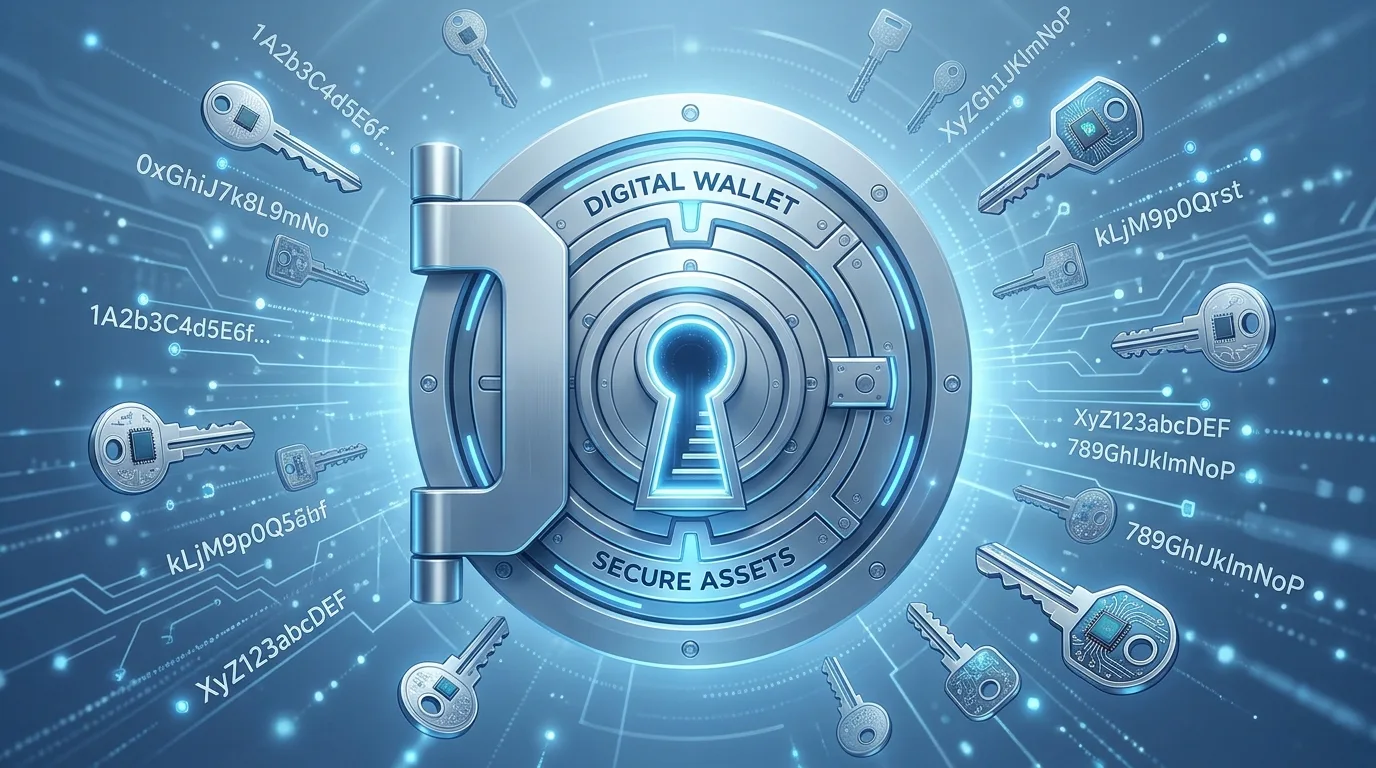
Before we dive into the transaction lifecycle, we need to understand the tools that make transactions possible. A blockchain wallet is more than just an app—it's a key manager. It stores your private keys, which are the ultimate proof of ownership. From these keys, public keys and addresses are derived. In this module, we'll explore how wallets work, how keys are generated, and how addresses are created. We'll also compare different wallet types, from hot wallets on your phone to cold storage solutions. By the end, you'll have a clear picture of the cryptographic foundations that secure every transaction. For a broader overview of blockchain basics, check out our Blockchain Explained: How It Works Without the Jargon.
Anatomy of a Transaction
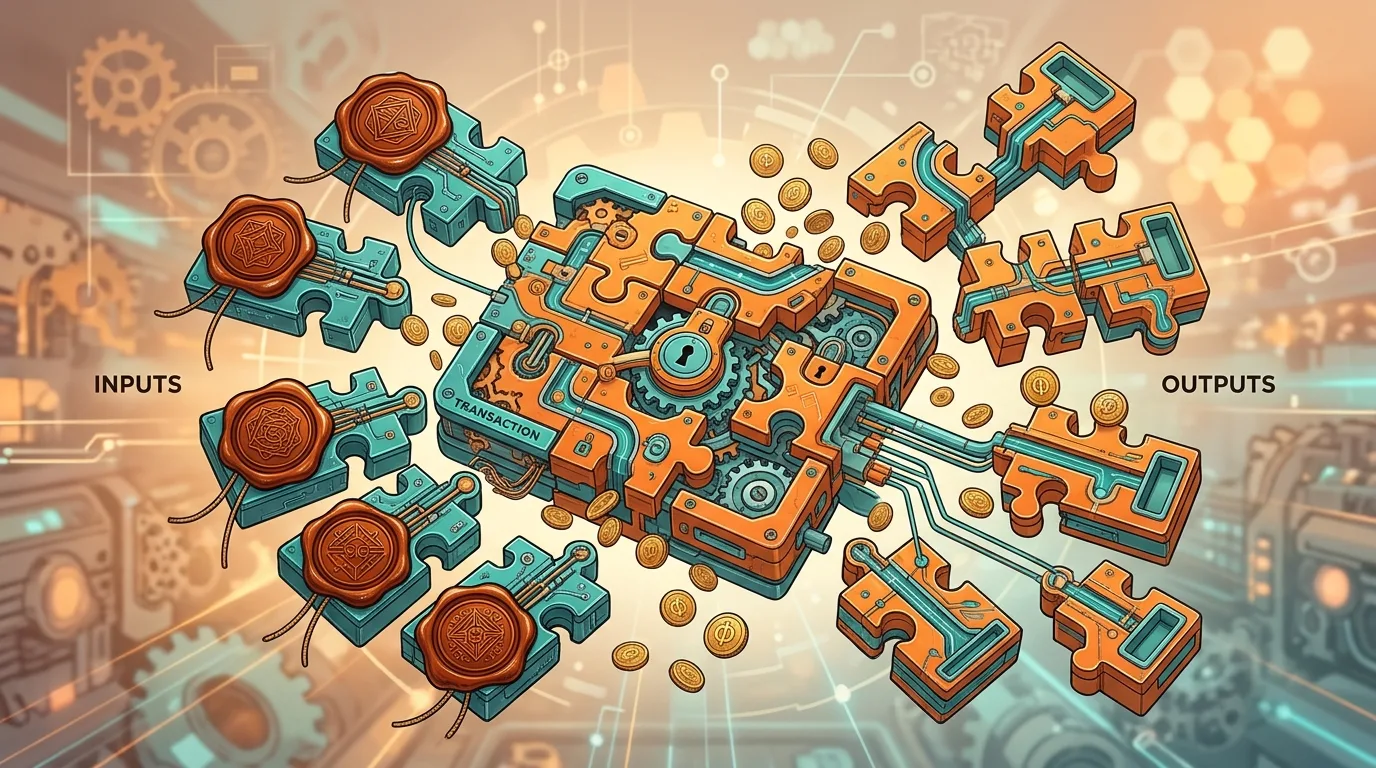
Now that you know where transactions come from, let's dissect one. A blockchain transaction is a data structure that specifies the transfer of value. In UTXO-based blockchains like Bitcoin, transactions consume previous outputs (UTXOs) and create new ones. Each transaction also includes a fee to incentivize miners or validators. But how do you prove you own the funds? Through digital signatures. We'll break down the components of a transaction, explain how fees are calculated, and show you how signatures work. We'll also look at how transactions are serialized for transmission. This module gives you the vocabulary to read a block explorer with confidence. For a deeper dive into Bitcoin's transaction model, see our Bitcoin Explained: From Digital Money to Blockchain.
Broadcasting and the Mempool

Once a transaction is signed, it's ready to be broadcast to the network. But what happens next? Your wallet sends the transaction to a node, which validates it and propagates it to other nodes. Eventually, it reaches the mempool—the waiting area for unconfirmed transactions. Here, transactions are prioritized by fee rate, and miners or validators select them for inclusion in blocks. We'll explore the gossip protocol, mempool dynamics, and techniques like replace-by-fee (RBF) to speed up stuck transactions. You'll learn how to monitor the mempool and make informed decisions about fees. For a broader look at how nodes reach consensus, see our Blockchain Consensus Mechanisms Explained: PoW, PoS and Beyond.
Validation: Miners, Validators, and Consensus
Once a transaction is in the mempool, it's up to miners (in proof-of-work) or validators (in proof-of-stake) to include it in a block. This module explains how blocks are built, how transactions are selected, and how consensus is achieved. We'll compare PoW and PoS validation, discuss block propagation, and explain what confirmations mean. You'll understand why different networks have different confirmation times and how finality is achieved. For a foundational understanding of blockchain consensus, consider our Blockchain Fundamentals course.
Confirmations, Security, and Best Practices
Finally, we'll explore what happens after a transaction is included in a block. Confirmations provide security, but how many do you need? We'll discuss confirmation depth, reorg risks, and double-spend attacks. You'll also learn about privacy considerations and assemble a practical checklist for sending transactions safely. By the end of this module, you'll be equipped to navigate the blockchain with confidence. For a comprehensive beginner's guide, check out our Blockchain for Beginners: How Blockchain Really Works course.
Key Takeaways
- Blockchain transactions follow a lifecycle: creation, signing, broadcast, validation, and confirmation.
- Wallets manage private keys, which are used to sign transactions.
- The mempool is where unconfirmed transactions wait for inclusion in a block.
- Miners and validators select transactions based on fees and network rules.
- Confirmations increase security; the required number depends on the value at stake.
- Always verify addresses and set appropriate fees before sending.
Frequently Asked Questions
What is a blockchain transaction?
A blockchain transaction is a digitally signed record that transfers value or data from one address to another on a blockchain network.
How long does a transaction take to confirm?
Confirmation times vary by network and fee. Bitcoin averages 10 minutes per block, while Ethereum aims for ~12 seconds. Higher fees can speed up confirmation.
What happens if I send a transaction with too low a fee?
It may get stuck in the mempool for hours or days. You can use techniques like RBF or CPFP to accelerate it, or wait for network congestion to ease.
Can a transaction be reversed?
Once confirmed, transactions are generally irreversible. However, in rare cases of chain reorganizations, a transaction might be reversed, but this becomes exponentially unlikely with more confirmations.
What is a confirmation?
A confirmation is the inclusion of a transaction in a block. Each subsequent block adds another confirmation, increasing security.
Comments (0)